



하녀
- 감독
- 임상수
- 제작년도
- 2010
- 출연
- 전도연, 이정재, 윤여정, 서우, 박지영, 안서현, 황정민, 문소리, 김진아, 채태백, 전신환, 노상민, 장순규, 조용재, 임현경, 이금연, 김지선, 한송이, 박지선, 윤선혜, 서하영, 김재현, 우혜선, 김은옥, 한송이, 김지선, 박지선, 신재민

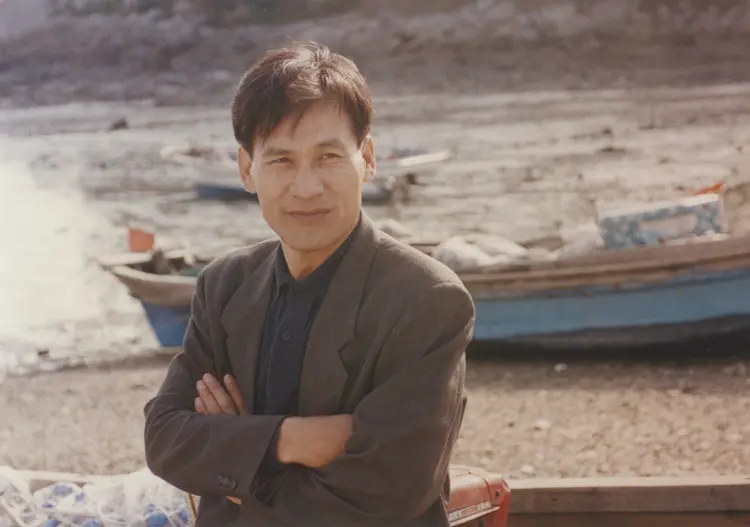
<축제> 중 (사진: 영화방) 박광수 감독의 < 칠수와 만수 >(1988)의 후반부에는 안성기 배우와 박중훈 배우가 연기한 두 주인공이 강남고속버스터미널에 우뚝 솟은 거대한 광고판 꼭대기에 앉아 있는 장면이 나온다. 원래는 광고판 도색 작업을 해야 했지만, 두 사람은 작은 저항의 의미로 그곳에 올라 소주를 마시며 도시를 내려다본다. 도색 작업을 하며 우연히 만난 이 두 남자는 함께 일하는 동료가 됐지만, 그럼에도 불구하고 각자의 가장 고통스러운 좌절감과 굴욕감만은 서로에게 숨겨왔다. 이들은 각기 다른 이유로 사회로부터 외면받았으며, 안정적인 삶을 구축할 공정한 기회조차 거부당한 처지였다. 그러나 광고판 꼭대기에 올라서서야 칠수(박중훈)는 처음으로 마음 깊은 곳에 담아두었던 진심을 털어놓기 시작한다. 그는 자신이 실패자이며, 지금까지 했던 모든 자랑이 거짓이었음을 만수(안성기)에게 고백한다. 그리고 “나 희망 없는 놈이에요”라고 말한다. 칠수가 말을 이어가는 동안, 안성기의 얼굴에는 서서히 변화가 일어난다. 턱은 굳게 다물어지고 눈빛은 무언가에 집중한 듯 강렬해지는데, 말 한마디 하지 않더라도 그 표면 아래에서 감정의 폭풍이 거세게 휘몰아치고 있음을 우리는 느낄 수 있다. 동료를 향한 연민과, 사회적 불평등을 견디며 오랫동안 참아온 분노를 동시에 포착해내는 연기를 이토록 훌륭히 해낼 수 있는 배우는 그리 많지 않다. 잠시 후, 그는 일어서서 발 아래 도시를 향해 외친다. “야! 서울에 있는 높은 놈, 배운 놈, 잘난 놈, 있는 놈, 모두 다 내 얘기를 들어봐라! 나도 말 좀 해야겠다! 이 높은 데 있을 때 큰소리 좀 쳐보자!” 이 장면은 1980년대 한국영화를 대표하는 매우 상징적인 순간이다. 만수와 칠수는 대중적인 주류 영화에서 대개 주목받지 못하는, 억압받고 소외된 인물들을 대변한다. 그들은 발 아래 도시를 향해 자신들의 좌절과 분노를 외침으로써, 문자 그대로 ‘자신들의 목소리를 찾고’ 자신들의 관점을 드러내며 말할 권리를 주장한다. 유사하게, 1980~90년 세대의 영화인들은 주류 사회가 망각 또는 묵살해버리는 인물들에게 목소리를 부여하려는 열망에 이끌려 창작에 돌입하곤 했다. 안성기는 만수 역을 맡기에 더할 나위 없는 적임자였다. 그는 인물 특유의 단단하면서도 씁쓸한 결연함을 설득력 있게 그려내는 한편, 그 내면에 자리한 부드럽고 연민 어린 면모를 은연중에 드러냈다. 사실 안성기는 그 시기 한국영화에 등장한 여러 명의 주인공을 맡기에도 아주 적합했다. 그는 특정한 유형의 인물만을 연기하는 배우가 아니었고, 전형적인 “무비스타(movie-star)”로서의 외모나 뚜렷하게 고정된 스크린 이미지를 지니지도 않았다. 하지만 관객으로 하여금, 그가 연기한 배역 속에서 자신들을 발견하게 만드는 데 어떤 배우들보다 탁월했다. 그는 평범한 사람들의 꿈과 두려움, 야망, 나약함, 그리고 미덕을 스크린 위에 충실히 구현해냈다. 캘리포니아로 건너가 아메리칸 드림을 좇는 < 깊고 푸른 밤 >(배창호, 1985)의 능수능란한 사기꾼, < 기쁜 우리 젊은 날 >(배창호, 1987)의 수줍은 대학생, < 투캅스 >(강우석, 1993)의 부패한 경찰에 이르기까지, 그는 각 인물을 공감 가능한 생생한 존재로 그려냈다. 1950~60년대에는 배우 최은희 가 이러한 방식으로 관객들과 연결되었는데, 한 세대의 여성들은 그녀가 연기한 다양한 역할 속에서 자신과 자신의 경험을 발견하며 성장했다. 1980~90년대에 그 역할을 완벽히 수행한 배우는 단연 안성기였다. 세월이 흐르며 영화계 안에서 그의 위치는 달라졌지만, 중요성만큼은 변함이 없었다. 그의 존재 자체가 이야기에 즉각적으로 무게감을 더해주었을 뿐만 아니라 상대 배우에게서도 최상의 연기를 끌어내도록 했기에, 감독들은 그와의 작업을 고대했다. 조연부터 주연까지 폭넓은 역할을 소화했으며, 대형 블록버스터부터 저예산 독립영화에 이르기까지 다양한 형태의 작업에 참여했다. 신인 감독이나 상대적으로 주목 받지 못하는 프로젝트와의 작업도 마다하지 않았다. 그는 배우 생활 전반에 걸쳐 수많은 감독과 생산적인 협업 관계를 맺었다. 그중 단 25명의 이름만 꼽아보더라도 김기영 , 임권택 , 배창호 , 이장호 , 이두용 , 유현목 , 이원세 , 정지영 , 강우석 , 이명세 , 박광수 , 박종원 , 장선우 , 이현승 , 류승완 , 김성수 , 오승욱 , 이정향 , 이준익 , 김지훈 , 신연식 , 장률 , 김주환 , 박흥식 , 그리고 김한민 의 영화에 출연했다(여기에 언급하지 못한 수많은 분께 양해를 구한다). <고래사냥>, <기쁜 우리 젊은 날> 중 (사진: 영화진흥위원회, 양기주) 그는 영화계 내부에서도 중요한 역할을 수행했다. 한국영화배우협회 회장을 역임하며 스크린쿼터 제도 수호에 앞장섰고, 부산국제영화제 부위원장 및 아시아나국제단편영화제 집행위원장으로서 책임을 다하기도 했다. 영화계 내에서의 이러한 위상과 배우로서 이룬 독보적인 성취에도 불구하고, 그를 직접 대면한 이들에게 가장 깊은 인상을 남긴 것은 그의 겸손함과 너그러움이었다. 그는 스타로서의 카리스마를 지니고 있었음에도 결코 유명 스타처럼 행동하지 않았다. 나긋한 목소리로 조용히 행동하며 스포트라이트를 찾아나서지 않았음에도, 그는 영화계의 기둥이자 많은 이들이 우러러보는 리더였다. 영화계의 여러 행사에서 그가 지녔던 존재감은 동료 영화인들에게 깊은 그리움을 자아내겠지만, 다행히 한국영화 속 그의 연기는 여전히 누구나 접하고 즐길 수 있다. 그가 남긴 수많은 상징적인 역할 중 몇 가지만 고르는 것은 매우 어려운 일이다. 하지만 그중 지극히 주관적으로 선정한 일부 목록을 아래에 적어보고자 한다. 물론 그의 경력이 시작하는 지점까지 거슬러 올라가면, 한국영화 역사상 가장 유명한 작품 중 하나인 김기영 감독의 < 하녀 >(1960)에서 보여준 아역 연기를 마주하게 된다. 그보다 전에 김기영 감독과 호흡을 맞췄던 < 10대의 반항 >(1959)은 샌프란시스코국제영화제에서 상영되었고 안성기는 이 작품으로 소년 특별연기상을 받았지만, 작품의 필름이 남아있지 않다는 사실이 무척 안타깝다. 그는 1960년대에 50편이 넘는 영화에 출연하며 주로 작은 역할들을 맡아 활동을 이어갔다. 하지만 성인 배우로서의 도약은 1980년대 초에 이뤄졌는데, 이장호의 < 바람불어 좋은 날 >(1980), 이원세의 < 난장이가 쏘아올린 작은공 >(1981), 임권택의 < 만다라 >(1981), 배창호의 < 꼬방동네 사람들 >(1982)이 계기가 되었다. 이들은 각 감독의 명성을 확립하는 데 결정적으로 기여한 주요 작품들이다. 특히 배창호 감독과 함께하며 가장 큰 상업적 성공을 거뒀는데, 따뜻한 마음을 가진 노숙인을 연기한 < 고래사냥 >(1984), 폭발적인 흥행을 기록한 <깊고 푸른 밤>(1985), 그리고 청춘의 성장과 관계를 다룬 <기쁜 우리 젊은 날>(1987)이 대표적이다. 이후 20여 년간 국제적인 명성을 쌓게 된 임권택 감독 역시 < 안개마을 >(1982)부터 < 태백산맥 >(1994), < 축제 >(1996), < 취화선 >(2002), 그리고 감독의 마지막 작품인 < 화장 >(2014)에 이르기까지 그와 지속적으로 작업했다. (상) <하녀>, <바람불어 좋은 날> / (하) <안개마을>, <화장> (사진: 한국일보, 백영호) 1980년대 후반과 1990년대 초반에 데뷔한 사회의식 있는 감독들, 이른바 ‘코리안 뉴웨이브’로 불리는 창작자들 역시 안성기와 작업하기를 간절히 원했다. 앞서 언급한 <칠수와 만수>와 박광수 감독의 또 다른 주요작인 < 그 섬에 가고싶다 >(1993) 외에도, 자본주의를 풍자한 장선우의 < 성공시대 >(1988), 이명세의 파격적인 데뷔작 < 개그맨 >(1988), 그리고 날카로운 정치적 통찰을 보여준 정지영의 < 남부군 >(1990)과 < 하얀전쟁 >(1992)이 있었다. 동시에 그는 강우석의 메가 히트작 < 투캅스 >(1993)를 통해 자신의 코믹 연기 재능을 유감없이 발휘하기도 했다. 감독들은 그를 신뢰했기에, 때로 이례적이거나 의외의 역할에 캐스팅하기도 했다. 이정향의 로맨틱 코미디 < 미술관 옆 동물원 >(1998)에서의 엉뚱하고 유쾌한 모습이나, 이명세의 < 인정사정 볼것 없다 >(1999) 속 잔인한 살인마로의 등장, 전만배 감독의 < 피아노 치는 대통령 >(2002)에서의 대통령 연기가 그 예다. 또한 오랜 동료인 박중훈과 호흡을 맞춘 가슴 따뜻한 음악 드라마 < 라디오스타 >(2006), 정지영의 법정 드라마 장르인 < 부러진 화살 >(2011)에서의 강렬한 변신, 그리고 한국영화사 최초의 천만 관객 영화인 강우석의 < 실미도 >(2003)에서 보여준 군 지휘관 역할도 빼놓을 수 없다. 경력의 후반기에 접어들어서도 그의 독특한 목소리는 대규모 흥행작인 < 타워 >(2012), < 한산: 용의 출현 >(2022)부터 저예산 독립영화인 < 필름시대사랑 >(2015), < 아들의 이름으로 >(2020), < 카시오페아 >(2022) 등 영화계 전반에 걸쳐 친숙하게 자리했다. 그는 생의 마지막 순간까지 작품을 선택하는 과정에서 대담하고 창의적인 태도를 잃지 않았다. 안성기는 영화라는 예술을 사랑했다. 그가 여러 번 직접 언급해서가 아니라, 수십 년에 걸친 그의 행보가 한국영화를 향한 깊은 헌신을 분명히 보여줬기에 알 수 있다. 그가 별세하면서 한국영화계는 길을 밝혀주던 등불 하나를 잃었으며, 그가 없는 이곳은 이전과 같지 않을 것이다. <성공시대> 중 (사진: 정기성) 달시 파켓(Darcy Paquet / 영화평론가·번역가) l 영화평론가이자 강연자, 번역가, 그리고 영화제 컨설턴트로서 25년 넘게 한국영화를 지켜봐 왔다. 저서로는 New Korean Cinema: Breaking the Waves (2010)가 있다. * 위 원고는 필자가 영문으로 작성한 아래 원고의 국문 번역본입니다. Remembering Ahn Sung-ki There is a moment towards the end of Park Kwang-su’s 1988 film Chilsu and Mansu when the two lead characters – played by Ahn Sung-ki and Park Joong-hoon – are sitting on the top of a giant billboard at the Express Bus Terminal in Gangnam. They are supposed to be painting the billboard, but in a small act of defiance, they have instead gone up to drink soju and look out over the city. These two men, who met by chance on painting jobs, have become work partners, but nonetheless they have hidden their most painful frustrations and humiliations from each other. Each of them for various reasons have been shunned by society, and denied a fair shot at building a stable life for themselves. But atop the billboard, Chilsu (played by Park Joong-hoon) starts to speak honestly from his heart for the first time. He confesses to Mansu that he’s a failure, that the bragging he has been doing up to now has been lies. “I’m a hopeless guy(나 희망 없는 놈이에요),” he says. As Chilsu is speaking, a slow transformation takes place on Ahn Sung-ki’s face. His jaw locks, his eyes take on a focused intensity, and although he doesn’t say a word, we can see a storm brewing just beneath the surface. Not many actors could have done this so well, capturing both the compassion he feels for his colleague and his long-suffering outrage at society’s inequities. A moment later, he stands up and shouts to the city below: “All you upper-class, educated, well-off bastards of Seoul, listen to me now! I'm going to speak out too, from this high place here!” "야! 서울에 있는 높은 놈, 배운 놈, 잘난 놈, 있는놈, 모두 다 내 얘기를 들어봐라! 나도 말 좀 해야겠다! 이 높은 데 있을 때 큰소리 좀 쳐보자!" This is an iconic and deeply symbolic scene for 1980s-era Korean cinema. Mansu and Chilsu represent the kind of downtrodden, disenfranchised characters that are usually overlooked by popular mainstream cinema. By shouting their frustrations and complaints to the city below, they are quite literally “finding their voices,” expressing their point of view and insisting on their right to speak. In a similar way, a whole generation of filmmakers in the 1980s and 1990s were motivated by the desire to give a voice to the sort of characters that mainstream society forgets or simply ignores. Ahn Sung-ki was the perfect choice to play Mansu. He convincingly portrays the hard, bitter determination of his character while giving hints of a softer, compassionate side underneath. But actually, Ahn Sung-ki was the perfect choice to play many of the protagonists of that decade’s cinema. He wasn’t known for playing one particular character type. He didn’t have movie-star looks, or a clearly-defined screen image. But what he did better than anyone else was to make audiences see themselves in the roles he played. He took the dreams, fears, ambitions, weaknesses and virtues of ordinary people, and represented them faithfully on the screen. Whether it was the smooth-talking grifter moving to California and pursuing the American Dream in Deep Blue Night , the shy university student in Our Sweet Days of Youth , or the corrupt policeman in Two Cops , he portrayed each character in a manner that made them vivid and relatable. In the 1950s and 1960s, it was the actress Choi Eun-hee who connected with audiences in this way: a generation of women grew up seeing themselves and their experiences in the many different roles that she played. But in the 1980s and 1990s, the actor who did this best of all was Ahn Sung-ki. As he grew older, his position within the film industry changed, but not his importance. Directors loved to work with him, since his presence in a film immediately gave the story more weight, and he could bring out the best in his co-stars as well. He took on a wide variety of roles, from supporting to leading characters, and worked on everything from major blockbusters to low-budget independent films. He didn’t shy away from working with new directors or less prestigious projects. Over the course of his career, he formed productive working relationships with a huge number of directors. To choose just 25 names, he appeared in films by Kim Ki-young, Im Kwon-taek, Bae Chang-ho, Lee Jang-ho, Lee Doo-yong, Yu Hyun-mok, Lee Won-se, Chung Ji-young, Kang Woo-suk, Lee Myung-Se, Park Kwang-su, Park Jong-won, Jang Sun-woo, Lee Hyun-seung, Ryoo Seung-wan, Kim Sung-soo, Oh Seung-wook, Lee Jeong-hyang, Lee Joon-ik, Kim Ji-hoon, Shin Young-sik, Zhang Lu, Kim Ju-hwan, Park Heung-sik, and Kim Han-min(with apologies to the many other names I’ve excluded). He also played important roles in the film community, serving as chairman of the Korean Film Actors Association, advocating for the Screen Quota system, serving as Deputy Director of the Busan International Film Festival, and as Festival Director of the Asiana International Short Film Festival. And yet despite his stature in the industry and his unmatched accomplishments as an actor, the quality that most impressed people who met him in person was his modesty and generosity of spirit. He didn’t behave like a famous star, even though he possessed a star-quality charisma. Soft-spoken and never seeking the spotlight, he was nonetheless a pillar of the film community, looked up to as a leader. His presence at film events will be sorely missed by fellow filmmakers, but thankfully his performances in Korean films can still be accessed and enjoyed by anyone. Making a list of his most iconic roles is difficult, because there are so many of them to choose from. But I will attempt to make a partial, highly subjective list below. Of course, going back all the way to start of his career, we have his performance as a child actor in one of the most famous Korean films of all time, Kim Ki-young’s The Housemaid (1960). It’s truly regrettable that a copy no longer exists of his previous collaboration with Kim Ki-young, Defiance of a Teenager (1959), which screened at the San Francisco International Film Festival, and where Ahn Sung-ki won a special award for his acting. He would go on to act in more than 50 films in the 1960s, often in small roles, but his breakthrough as an adult came at the start of the 1980s in works such as Lee Jang-ho’s Fine Windy Day (1980), Lee Won-se’s A Dwarf Launches a Little Ball (1981), Im Kwon-taek’s Mandala (1981), and Bae Chang-ho’s People in a Slum (1982) – all major films that helped to establish the reputation of their directors. It was with Bae Chang-ho that he would enjoy some of his biggest commercial successes, especially in Whale Hunting (1984) where he played a kind-hearted beggar; the smash hit Deep Blue Night (1985) and the coming-of-age relationship story Our Sweet Days of Youth (1987). Director Im Kwon-taek, who became internationally recognized over the next two decades, often worked with Ahn Sung-ki as well, from films like Village of Haze (1982) to The Taebaek Mountains (1994), Festival (1996), Chihwaseon (2002) and the director’s final film Revivre (2014). The group of more socially-minded directors who debuted in the late 1980s and early 1990s – often referred to as the Korean New Wave – were just as eager to work with Ahn Sung-ki. Aside from the aforementioned Chilsu and Mansu and another important work by Park Kwang-su, To The Starry Island (1994), there was Jang Sun-woo’s capitalist satire Age of Success (1988), Lee Myung-Se’s groundbreaking debut film Gagman (1989), and Chung Ji-young’s politically incisive North Korean Partisans in South Korea (1990) and White Badge (1992). At the same time, Ahn showcased his comic abilities in Kang Woo-suk’s smash hit Two Cops (1993). Directors trusted Ahn Sung-ki enough to cast him in somewhat unusual or surprising roles, such as his whimsical appearance in Lee Jeong-hyang’s romantic comedy Art Museum by the Zoo (1998), his turn as a vicious killer in Lee Myung-Se’s Nowhere to Hide (1999), playing the nation’s president in director Jeon Man-bae’s Romantic President (2002), his role opposite longtime collaborator Park Joong-hoon in the heartwarming music drama Radio Star (2006), his powerful turn in Chung Ji-young’s court drama Unbowed (2011) and his unforgettable role as a military commander in Kang Woo-suk’s Silmido (2003), the first Korean film to sell 10 million tickets. Even to the later stages of his career, his distinctive voice was a familiar presence in big-budget hit films such as Tower (2012) or Hansan: Rising Dragon (2022), to low-budget indie features like Love and… (2015), In the Name of the Son (2020) and Cassiopeia (2022), and everything in between. He was daring and creative in choosing films up to the very end. Ahn Sung-ki loved the art of cinema. We know this not because he said it in so many words, but because over decades, his actions demonstrated his deep commitment to Korean cinema. With his passing, the film industry has lost one its guiding lights, and it will not be the same without him. Darcy Paquet(film critic/translator) l As a film critic, lecturer, translator and film festival consultant, I have been following Korean cinema for over 25 years. Author of New Korean Cinema: Breaking the Waves (2010).

